
Sauces & Condiments
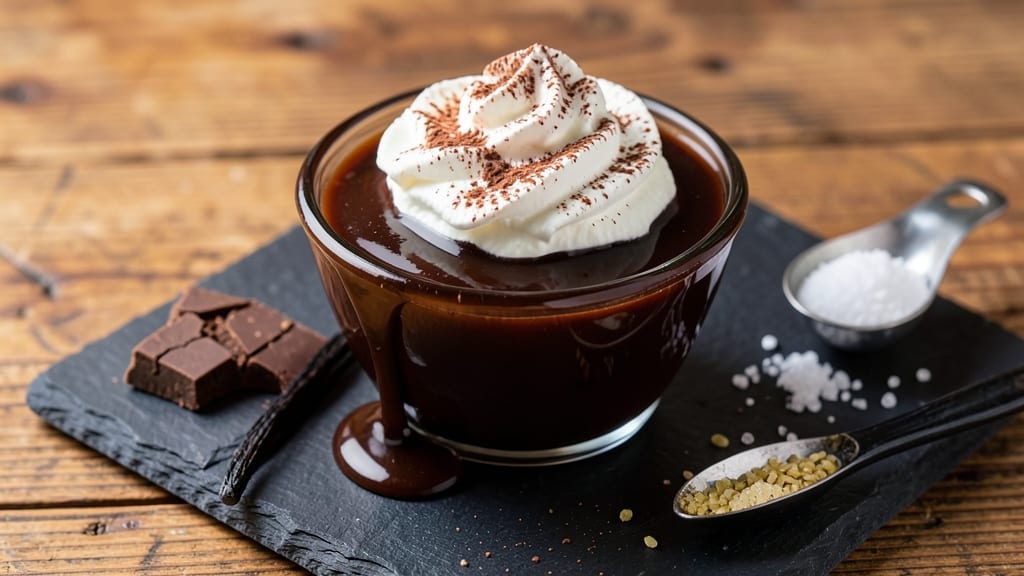
This Belgian chocolate sauce recipe delivers the deep, velvety richness that makes every dessert feel luxurious. 💛 The secret lies in high-quality dark chocolate and a precise balance of cream and butter, creating a sauce that's silky smooth yet sturdy enough for drizzling or dipping.
Belgian chocolatiers use specific techniques—like tempering the chocolate—to achieve that signature glossy finish and melt-in-your-mouth texture.
The process is simpler than it sounds: melt the chocolate gently, then gradually incorporate warm cream and butter while whisking constantly. This creates an emulsion that stays smooth and glossy.
Traditional Belgian versions often include a touch of vanilla or even Grand Marnier for depth, but the real magic comes from using premium cocoa that's at least 70% dark chocolate.
What you'll end up with is a sauce that's rich enough to stand alone as a dessert but versatile enough to elevate cakes, ice cream, or fresh fruit. The texture is velvety, with just the right balance of sweetness and bitterness that Belgian chocolate is famous for.
It thickens slightly as it cools, making it perfect for drizzling over warm desserts.
Store it in an airtight container at room temperature for up to a week, or refrigerate for longer shelf life. The sauce can be reheated gently until smooth again.
This is the kind of indulgent sauce that transforms ordinary desserts into something extraordinary—just a few minutes of effort for a restaurant-quality result.
Ingredients for belgian chocolate sauce
Seven ingredients for restaurant-style chocolate sauce that's velvety, glossy, and packed with Belgian chocolate flavor.
| Ingredient | Amount | Notes |
|---|---|---|
| High-Quality Dark Chocolate (70% Cocoa or Higher) 🍫 | 8 oz | Belgian chocolate bars or chips |
| Heavy Whipping Cream 🥛 | 1 cup | Full-fat for richness |
| Unsalted Butter 🧈 | 4 tbsp | Cold, cut into small pieces |
| Vanilla Extract 🌿 | 1 tsp | Pure vanilla for depth |
| Granulated Sugar 🍚 | 1 tbsp | Adjust to taste |
| Pinch of Salt 🧂 | ¼ tsp | Enhances chocolate flavor |
| Grand Marnier (Optional) 🍷 | 1 tbsp | For extra depth (optional) |
The chocolate makes or breaks this sauce. Belgian chocolate bars like Callebaut or Valrhona are ideal, but any high-quality 70%+ dark chocolate works. Look for chocolate with a vibrant, shiny exterior—it's a good sign of freshness. Trader Joe's and Whole Foods carry excellent options, or check the European section at your grocery store. If using chocolate chips, opt for Belgian chocolate chips specifically. The vanilla extract should be pure—no imitation stuff. For the butter, grab unsalted to control the saltiness yourself, and keep it cold until you're ready to melt it with the chocolate.
No Grand Marnier? Orange liqueur or even a splash of orange juice adds a similar citrusy depth. Running short on vanilla? Almond extract at half the amount works, though it changes the flavor profile slightly. The sugar is purely for balancing the bitterness—adjust to taste, but don't skip it entirely. If you're using pre-shredded chocolate, chop it yourself for smoother melting. The cream should be cold when you start, but it'll warm up as it incorporates into the chocolate. For a lighter sauce, you can substitute half the cream with whole milk, though it won't be quite as rich.
This sauce keeps beautifully. Store it in an airtight container at room temperature for up to 1 week, or refrigerate for 2-3 weeks. To reheat, warm gently in a double boiler or microwave in 20-second bursts, stirring between each. The sauce thickens as it cools, so it's perfect for drizzling over warm desserts. If it gets too thick, whisk in a splash of warm cream. For extra indulgence, freeze portions in ice cube trays—just pop one out for a single serving whenever you crave chocolate.
Why You'll Love This Recipe
- Five-Ingredient Magic: I swear by this—just melt chocolate, cream, butter, and a pinch of sugar. No fancy techniques, no stress. The vanilla ties it all together without overpowering that rich, bittersweet depth.
- Drizzle or Dip: This sauce is ridiculously good straight from the pot, but it’s also the star of pancakes, ice cream, or even grilled fruit. The texture? Thick enough to coat, smooth enough to glaze—no clumps, no lumps, just pure velvety goodness.
- Weeknight Secret Weapon: I keep a jar in the fridge for emergencies—late-night cravings, last-minute dessert, or when I need to salvage a boring meal. Stays fresh for days, and reheating takes 30 seconds. (Yes, even on a Tuesday night.)
- Budget Luxury: High-quality chocolate makes it taste like a fancy dessert, but the rest of the ingredients are basic pantry staples. A little goes a long way, so you’re not breaking the bank for something that feels indulgent. Honestly, it’s my go-to for impressing guests without the fuss.
Step-by-step instructions for Belgian chocolate sauce
Here's how to create a velvety, decadent sauce that's perfect for dipping or drizzling.
🍳 Step 1: Melt the Chocolate and Butter Together
Place the 8 oz high-quality dark chocolate (70% cocoa or higher) and 4 tbsp unsalted butter in a medium heatproof bowl. I use a double boiler here—it melts the chocolate smoothly without scorching. Set the bowl over a pot of simmering water, making sure the bottom of the bowl doesn't touch the water.
Stir gently with a silicone spatula until both the chocolate and butter are completely melted and the mixture is smooth. You'll know it's ready when it reaches 110-115°F and has a glossy, liquid consistency. If you don't have a thermometer, look for a shiny sheen—this means the chocolate is fully melted and ready for the next step.
🍳 Step 2: Warm the Cream and Incorporate Sugar
In a small saucepan, warm the 1 cup heavy whipping cream over medium-low heat until it's hot but not boiling—just until small bubbles form around the edges. Remove from heat and stir in the 1 tbsp granulated sugar and 0.25 tsp pinch of salt. This step ensures the cream is warm enough to blend seamlessly with the chocolate without causing it to seize.
Here's the thing—adding the sugar and salt to the warm cream first helps balance the bitterness of the dark chocolate later. The salt enhances the chocolate flavor, while the sugar adds a touch of sweetness that rounds out the richness. Let the mixture sit for 1 minute while you prepare the next ingredients.
🥘 Step 3: Combine Chocolate and Cream for Silky Texture
Slowly pour the warm cream mixture into the melted chocolate, whisking constantly. Start with a few tablespoons at a time to temper the chocolate and prevent it from seizing up. Once you've added about half, the mixture should start to thicken slightly. Keep whisking until everything is fully incorporated and the sauce is smooth.
If the sauce looks too thick, add 1-2 tablespoons of hot cream to loosen it. The goal is a velvety consistency that coats the back of a spoon but isn't too runny. This is where patience pays off—rushing can lead to lumps or graininess. If you see any lumps, strain the sauce through a fine-mesh sieve for a perfectly silky finish.
🍽️ Step 4: Add Vanilla and Optional Grand Marnier
Stir in the 1 tsp vanilla extract and, if using, the 1 tbsp Grand Marnier. The vanilla adds depth and warmth, while the Grand Marnier brings a subtle citrus note that cuts through the richness. Taste the sauce and adjust the sweetness or saltiness if needed—you can add a pinch more sugar or salt as needed.
For the best flavor, let the sauce sit for 5 minutes off the heat. This allows all the flavors to meld together. The sauce should be thick enough to coat a spoon but still flow smoothly. If it's too thick, warm it gently over low heat, stirring constantly, until it reaches the desired consistency.
⏰ Step 5: Cool and Use Immediately
Transfer the sauce to a clean jar or bowl and let it cool slightly—it will thicken as it cools. For the best texture, use it within 2 hours of making it, as the sauce continues to set up. If you need to store it, cover it with plastic wrap pressed directly onto the surface to prevent a skin from forming.
This sauce is perfect for drizzling over ice cream, chocolate-dipped strawberries, or even as a glaze for pastries. The deep, dark richness comes from using high-quality Belgian chocolate, so don't skimp on that ingredient. Enjoy your luxurious Belgian chocolate sauce while it's still warm and velvety!
Pro Tips For Making Belgian Chocolate Sauce
- CHOP CHOCOLATE SMALL: Belgian chocolate sauce demands smoothness, so chop the dark chocolate into tiny, even pieces—think rice-sized or smaller. I learned this the hard way after struggling to melt uneven chunks that turned into grainy lumps. A sharp knife and a little patience here save you from scraping burnt bits later.
- WHISK CREAM HOT: Heat the heavy whipping cream just until it’s steaming, then pour it over the chopped chocolate in a thin, steady stream while whisking constantly. The goal is to melt the chocolate evenly without scrambling the cream—if it curdles, you’ve gone too fast. Start with a low simmer, not a rolling boil.
- SALT THE BUTTER: Toss a pinch of salt (about ¼ teaspoon) into the melted butter before adding it to the chocolate-cream mix. The butter’s richness can mute the chocolate’s depth, and this tiny tweak cuts through the sweetness while balancing the sauce’s intensity. Skip it, and the sauce might taste flat.
- TEMPER THE SUGAR: Add the sugar after the chocolate and cream have fully melded, then simmer the sauce for 30 seconds to dissolve it completely. I used to dump it in early, and it’d clump like sand—now I stir until it’s fully incorporated, ensuring a silky finish. A fine-mesh sieve helps if you’re impatient.
Dietary considerations for these flavors
Gluten-Free Adaptations
This Belgian chocolate sauce is naturally gluten-free since it contains no grains or wheat-based ingredients. However, always double-check your chocolate bar for cross-contamination warnings if you're highly sensitive—some brands process chocolate in facilities with gluten.
I recommend Enjoy Life chocolate bars or Lindt Excellence 70% dark chocolate for certified gluten-free options. The sauce's base ingredients (cream, butter, vanilla) are inherently gluten-free, so no substitutions are needed. 💛
Dairy-Free Options
For a dairy-free version, swap the heavy cream and butter with full-fat coconut milk and vegan butter (like Miyoko's). Use 1 cup coconut milk instead of cream and 4 tbsp vegan butter for melting with the chocolate.
The texture will be slightly lighter but still rich. Taste as you go—coconut milk adds its own subtle flavor, so you may need to adjust the vanilla or Grand Marnier to balance it.
Vegan Chocolate Sauce
To make this sauce fully vegan, replace the butter with vegan butter and use coconut cream (the thick part from a can of full-fat coconut milk) instead of heavy cream. For the chocolate, choose a vegan dark chocolate bar like Hu Kitchen or Pascha.
The process remains identical—melt the chocolate and butter substitute together, then incorporate the warm coconut cream. The result is a decadent, dairy-free sauce that's perfect for vegan desserts.
Sugar-Free Version
Skip the granulated sugar entirely and use monk fruit sweetener or erythritol instead. I recommend Lakanto golden sweetener for a 1:1 substitution—it dissolves smoothly and doesn't crystallize. Start with ½ tsp and adjust to taste, as some sugar substitutes can be more potent.
The sauce will still have depth from the chocolate and vanilla, just with a cleaner, less sweet profile. This works especially well with 85% dark chocolate for extra richness.
Nut-Free Considerations
This recipe is naturally nut-free, but always verify your chocolate bar's ingredients if you have severe allergies. Some Belgian chocolates contain praline (crushed hazelnuts) or almonds. For extra safety, use chocolate chips labeled "nut-free" or make your own by chopping a nut-free dark chocolate bar.
The vanilla extract should also be nut-free—check labels or use alcohol-free vanilla extract from brands like McCormick to avoid cross-contamination risks.
Allergen-Friendly Tips
For those with multiple allergies, this sauce can be adapted with care. Use soy-free chocolate (like Alter Eco) and dairy-free alternatives as mentioned above. If you're avoiding vanilla due to allergies, try orange zest (½ tsp) for brightness instead.
Always prepare the sauce in a clean workspace and use separate utensils to prevent cross-contact. The key is patience—taste-test as you go to ensure no unwanted flavors sneak in. 💡
Nutrition facts
Frequently asked questions
Can I use milk chocolate instead of dark chocolate?
While you can use milk chocolate, it won't have that authentic Belgian depth. Milk chocolate's higher sugar content makes the sauce sweeter and less rich. For the signature dark, velvety texture, stick with 70%+ dark chocolate. If you must use milk chocolate, reduce the sugar to ½ tbsp and add a pinch of espresso powder (¼ tsp) to mimic the bitterness.
Why did my sauce turn grainy?
Graininess usually happens when chocolate seizes from cold cream or uneven heating. Always warm the cream until it's hot (not boiling) before adding it to the melted chocolate. Work in small batches, whisking constantly. If it happens, strain the sauce through a fine-mesh sieve for a silky finish. For extra insurance, temper the chocolate first by melting it to 115°F and cooling to 88°F before adding cream.
How do I make this sauce thicker or thinner?
For a thicker sauce, chill it for 30 minutes—it naturally sets up as it cools. To thin it, whisk in 1-2 tbsp warm cream at a time until smooth. If it's too thick even after reheating, add ½ tsp cornstarch mixed with 1 tsp water and stir until dissolved. For a lighter sauce, replace ¼ cup cream with whole milk. The texture should coat a spoon but still flow gently.
Can I add nuts or praline to this sauce?
For a classic Belgian touch, fold in 2 tbsp chopped praline or hazelnuts at the end. Warm them lightly in the sauce for 1 minute to infuse flavor, then strain if you prefer a smooth finish. For extra decadence, drizzle with melted white chocolate or sprinkle with sea salt flakes. Just ensure your chocolate is nut-free if allergies are a concern.
How long does this sauce keep, and can I freeze it?
Store the sauce in an airtight container at room temperature for up to 1 week, or refrigerate for 2-3 weeks. For freezing, portion into ice cube trays or small jars—thaw in the fridge overnight. Reheat gently in a double boiler or microwave in 10-second bursts, stirring between each. Avoid reheating in the microwave too long, or it may split. The sauce thickens when chilled, so thin with warm cream if needed.